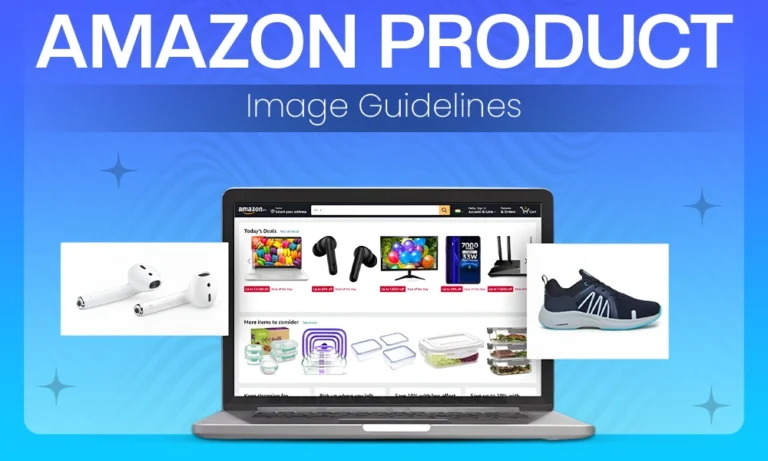
Amazon in 2026 continues to be a visually-driven marketplace where customers choose what products to buy in just seconds by looking at the images of the products. Customers are unable to physically touch the product before purchasing so they rely primarily on the product images as the source of trust and evaluation of each product.
To a potential customer, high-quality images not only convey product features and quality but will heavily influence whether the product gets clicked on, engaged with, and converted to sale. To promote buyer trust and maintain a consistent standard of images used in Amazon listings, Amazon continues to tighten its image requirements. Images that do not comply with Amazon’s requirements are in danger of being suppressed from view, given a low ranking on the search results page, or being rejected during upload.
Amazon photo editing has become a requirement for sellers wishing to compete at a professional level.
Amazon Main Product Image Requirements (2026)
There is no other visual that is as heavily regulated on Amazon as the main image since it is used for search results, ads and category pages. This is the digital equivalent of a retail shelf display that is clean, accurate, and quickly understood.
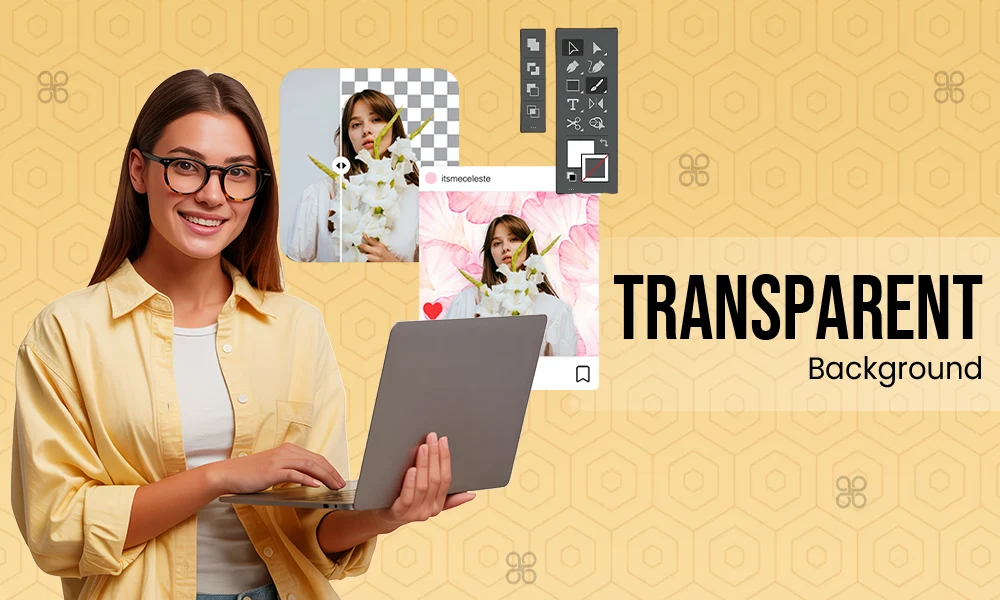
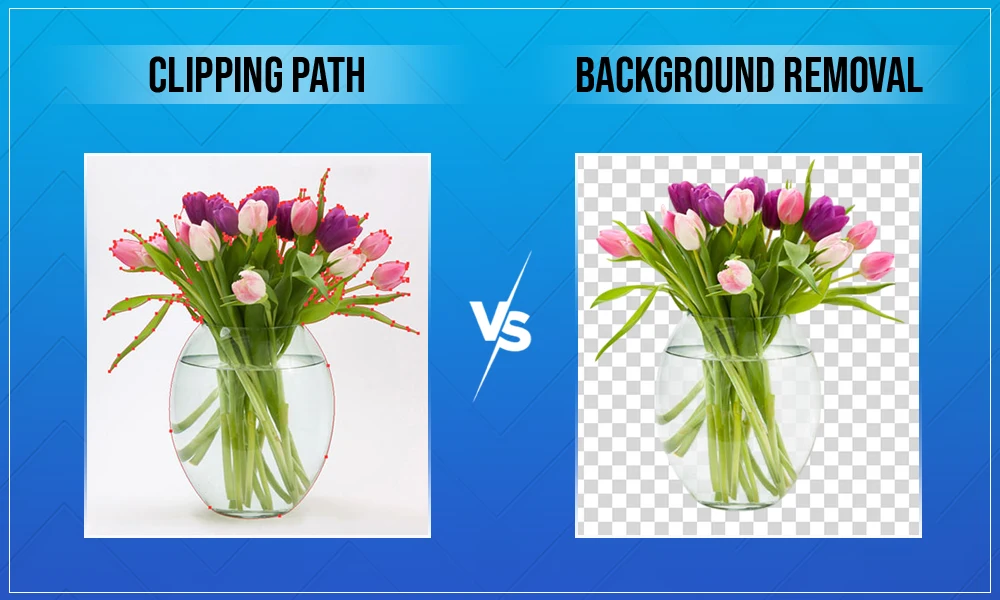
Amazon has a strict requirement for a pure white background (RGB 255,255,255) for the main image, which helps create uniformity across listings and allows the product to stand out. If the product has even a small amount of shadow touching the edges or if it has a slightly off-white color, it could be rejected by Amazon’s automated systems.
There are some important rules that apply to the main image:
- The product must occupy at least 85% of the frame of the image
- Only the product being sold is allowed in the main image
- The main image cannot include any text, logos, badges, or watermarks
- The main image cannot include any props or accessories that are not included with the product
- The main image cannot have any borders or graphic overlays
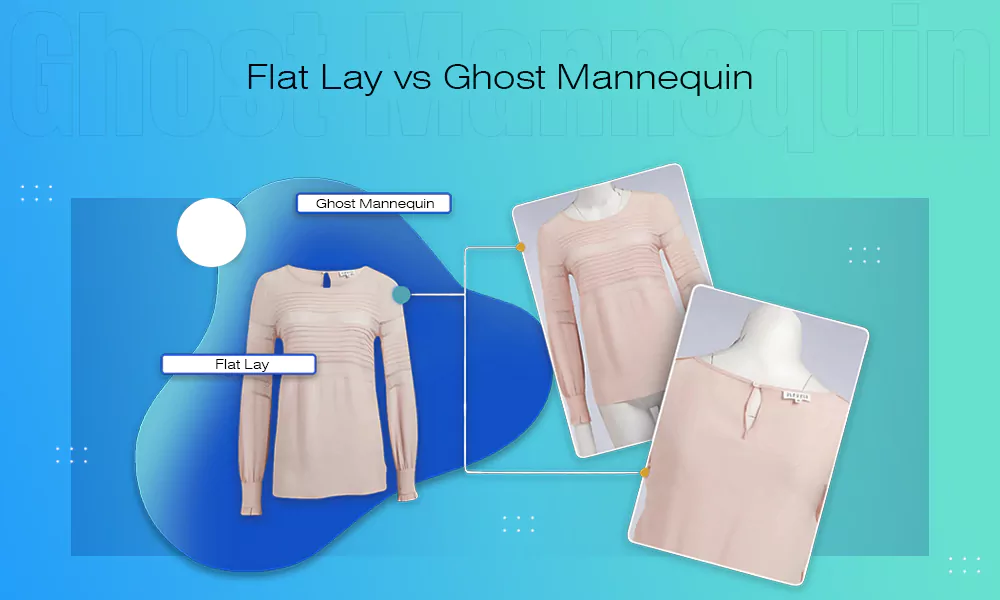
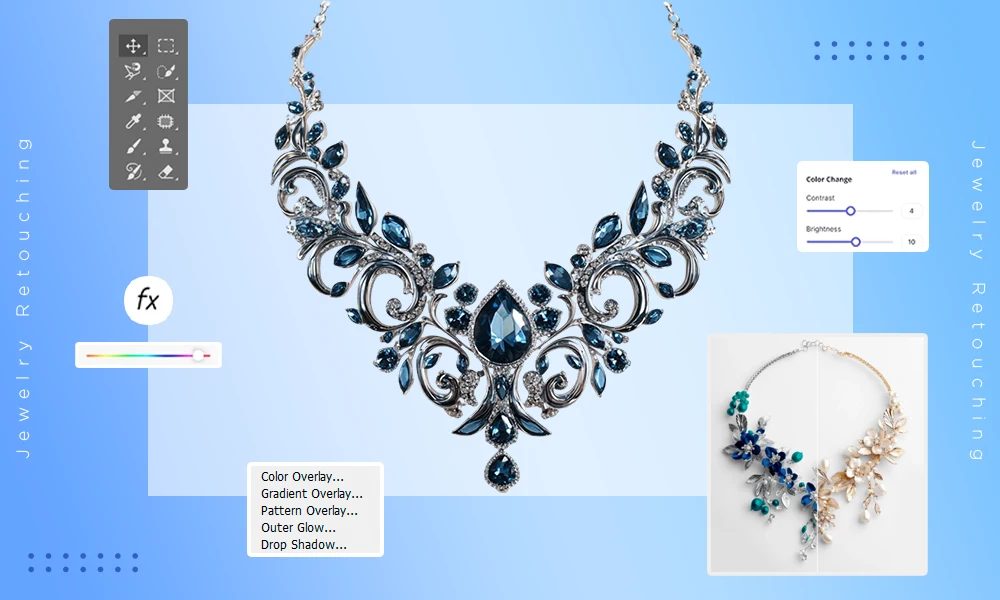
There are also standards that are specific to each product category. For example, clothing must show on a person or a ghost mannequin, jewellery must show without any display props, and shoes must usually show in an angle. These standards will ensure that all categories are displayed consistently.
Technical Specifications for Amazon Product Images
In addition to the visual components of Amazon’s images, the company also has numerous technical specifications about images that affect their image quality, including dimensions (e.g., minimum width), aspect ratio (e.g., square), file type (e.g., JPEG), color space (e.g., srGB), and compression type (e.g., optimized).
As of 2026, the above technical specifications will continue to be an important consideration for compliance and the user experience of any site that features an Amazon affiliate program.
Each product image should be at least 2000 pixels along its longest side. If a smaller image is uploaded, the zoom function will be disabled, which significantly impacts conversion rates, as customers rely on the zoom function to verify the details of each product.
Major technical specifications Amazon mandates for its images include:
- Minimum 2000 pixels longest side recommended
- Acceptable image formats are: JPEG, PNG, TIFF, or Non-Animated GIFs.
- Preferred Color Space: sRGB
- Ideal Aspect Ratio: 1:1 Square
- Ideal Composition: Centered with adequate margins from the outside border of the image.
When using square images, the user will see a consistent image across mobile and desktop. If the user uses non-square images, the images may be automatically cropped, i.e., parts of the product may not be seen. The use of centered images will reduce the possibility of this problem occurring.
The image upload size needs to be balanced between quality and speed of the website performance. Images that are over-compressed will be unclear or appear blurry, while images with an excessive file size will slow down the loading of a page.
Note: As 80 % of Amazon purchases are now being done on mobile, the square 1:1 ratio is no longer a recommendation, but a requirement for visibility.
Also read- Best Retouching Apps for Mobile Editing
Secondary & Lifestyle Images Guidelines
Secondary images allow for more than just conveying detail and a comparable appearance to the primary image; they can influence the customer for purchasing purposes via persuading through storytelling.
In addition to the primary product image, Amazon allows for retailers to include additional images to elaborate on context, feature, size, and benefits of the product.
The use of these additional images allows the customer to fully comprehend and build a level of trust in the product being purchased.
Some examples of additional images are:
- Lifestyle images showing how the product would look in real-life situations
- Infographics showing quick descriptions on product specifications
- Close-up or detail views
- Size and Scale comparison imagery
- Images on what is included with the package and packaging
- Step by step images on how to use the product.
Lifestyle images show the product in real-life environments, such as a piece of furniture in a living room or cookware on a stove. This assists buyers in envisioning where they will use the product.
Infographics provide a fast way for buyers to identify product specifications such as dimensions, materials, or functions without using large amounts of text.
Common Amazon Image Rejection Reasons & How to Avoid Them
Image rejection is still a very big issue with listings on Amazon. Many of the image rejections are caused by small deviations rather than by blatant errors. By becoming familiar with the typical causes of rejection, sellers will be able to have their listings up for sale without interruption.
Some of the most common rejection reasons are:
- The main image has an off-white or textured background
- Main image contains text or graphics
- The product is too small in the main image
- Accessories shown in the main image but not included in the listing
- Blurry or poor-quality images
- Over-edited or unrealistic images
- Cropped/cut-off parts of the product
Over-editing can also lead to rejection. The excess saturation of the photos, excess glow or unnatural proportions of the products can lead to rejection by Amazon’s artificial intelligence moderation systems that have been built up to an extremely high standard or performance capability since 2026.
Also read- AI vs Manual Photo Editing
The following is a practical compliance checklist sellers should utilize before uploading images for approval:
- White background has been verified
- Product fills 85%+ of the image
- No text/props in image
- High resolution image, image is sharp and focused
- Images depict true color and true proportions
- Category guidelines have been confirmed
By using the above checklist when creating and submitting your image for listing approval you will greatly reduce the chance of rejection, thus resulting in a quicker and easier process for getting listings approved.
Conclusion
The criteria set out for product images on Amazon in 2026 will centre around Clarity, Accuracy, and Consistency, to create listing compliance to Marketplace Standards and meet the Buyer’s expectations of the product.
The main image will depict an accurate representation of the product being sold, while the secondary images will depict other details surrounding the Product, the context of the product, its features, as well as its persuasive value.
Having compliant images in your Amazon listing improves both search visibility for your Listing and builds a sense of trust with the Buyer; therefore, potentially resulting in greater numbers of conversions, reducing the volume of Listing Suppressions as well as keeping Returns to a minimum.
Editing listing images for professional quality by using a professional photo editor enables the Seller to satisfy their Technical and Visual Image compliance requirements whilst ensuring their images are realistic and attractive.
FAQ
Q1. What size should Amazon product images be in 2026?
Ans: Amazon recommends at least 2000 pixels on the longest side to enable zoom. Smaller images may upload, but reduce customer engagement and perceived quality.
Q2. Can I add text or graphics to Amazon images?
Ans: Text and graphics are allowed only in secondary images. The main product photo must remain clean with no overlays, logos, or promotional elements.
Q3. How many product photos should an Amazon listing have?
Ans: Amazon allows multiple images (often up to 9). Using all available slots improves customer understanding and conversion potential.
Q4. Are lifestyle images allowed on Amazon?
Ans: Yes, lifestyle images are encouraged in secondary slots. They should realistically show product use without exaggeration or misleading context.
Q5. Can I use 3D renders on Amazon?
Ans: Yes, but they have to be photo-realistic. The 2026 rules in Amazon are strict with respect to renders looking like real products. A listing can be suppressed when a render looks too fake. We recommend professional photo retouching on every render in order to give it realistic textures.