A customer might find exactly what they are looking for in an online store, add it to their cart, and then leave without placing an order. This could happen because their card gets declined, the checkout process takes too long, or their preferred payment option is not available. Whatever the reason, losing a customer at the final step can be frustrating for any store owner.
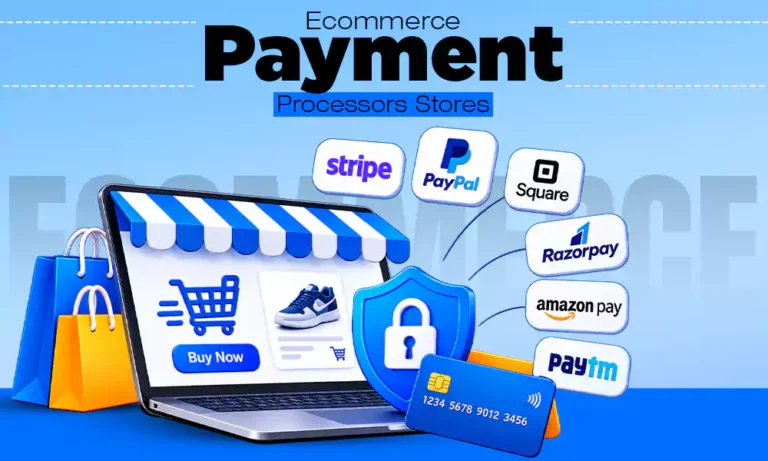
This is why choosing the right payment provider is important. Each provider offers different payment options, fees, and tools to help businesses manage transactions. Some are a good fit for small retailers, while others are better suited to businesses that sell internationally, need flexible checkout options, or handle more complex payments. Understanding what each provider offers can help you make the right choice and avoid unexpected costs.
1. Adaptiv Payments
Getting the green signal for a merchant account isn’t always direct. Businesses with subscription billing, higher chargeback rates, or particular regulated products may struggle to find providers willing to process their transactions. For retailers facing these problems, Adaptiv Payments specializes in payment processing for higher-risk businesses.
The company works with merchants in industries such as CBD, travel, and subscription services. Instead of offering everyone the same arrangement, it reviews each business’s industry, transaction profile, and processing requirements before identifying available options through its banking and processing partners.
Its services include merchant accounts, payment gateways, ACH payments, fraud protection, and chargeback management. Adaptiv Payments also helps with integrations with e-commerce platforms such as Shopify and WooCommerce, which helps merchants to connect their payment systems with their current stores.
The main advantage is access to specialized processing arrangements that may be tough to get through conventional providers. However, approval isn’t guaranteed, and fees, reserve requirements, and contract terms vary by business. Merchants should review these details carefully before signing up.
2. Stripe
Stripe gives online retailers a lot of control over how customers pay. It supports major credit and debit cards, digital wallets, and different local payment methods, making it useful for businesses selling through different places.
One of Stripe’s strengths is its flexible checkout setup. Merchants can start with a ready-made payment page or make a more customized experience with the help of the platform’s developer tools. Stripe also offers subscription billing, payment links, fraud detection, and integrations with famous e-commerce platforms.
Its standard pricing is dependent on individual transactions, so businesses usually pay processing fees as sales come in. International cards, currency conversion, and certain additional services can increase those prices, though. Stores that require extensive customization may also need developer support.
For retailers trying to expand internationally or create a checkout with particular features, Stripe offers considerable flexibility. Businesses that want a simpler setup can use its prebuilt payment tools without developing everything from scratch.
3. Shopify Payments
If your store already runs on Shopify, Shopify Payments can make making online payments relatively easier. Eligible merchants can process credit and debit cards without connecting a different payment gateway, and supported digital wallets and local payment methods give customers extra ways to pay.
Everything is closely connected to the Shopify dashboard. Store owners can look after transactions, monitor payouts, and manage payment activity alongside their orders and inventory. Customers can also use Shop Pay, which lets eligible shoppers save their payment and shipping details for quicker checkout on future purchases.
Shopify Payments includes fraud analysis tools that flag potentially suspicious orders. Processing rates vary by subscription plan and country, while extra transaction fees may apply when merchants use third-party payment suppliers.
The biggest restriction is availability. Shopify Payments operates only in some countries, and certain products and business categories aren’t eligible. For qualifying retailers, its Shopify integration makes daily payment management easy without adding another system.
4. PayPal
PayPal is one of the more recognized names in online payments, and many shoppers already have accounts they use on a daily basis. Offering it at checkout provides customers another known way to complete their purchases.
Depending on the checkout integration, shoppers can pay through PayPal or use supported credit and debit cards. Guest checkout options also help customers to pay by card without creating a PayPal account. Certain integrations support extra digital wallets, making it easier to accommodate different payment preferences.
PayPal works with ecommerce platforms such as Shopify, WooCommerce, and BigCommerce. Its business features include continuous payments, payment links, eligible seller protection, and Pay Later options that let qualifying shoppers spread purchases over time.
Processing costs depend on the payment method and the country. International transactions, currency conversion, and disputes can bring additional charges. Merchants should also know that PayPal may temporarily hold payments or ban accounts when it detects unusual activity or increased financial risk.
For stores serving customers with different payment preferences, PayPal provides a known checkout option. It’s particularly useful for shoppers who would rather pay through an established digital wallet than enter their card information at every online store.
5. Square
Square makes sense for retailers that sell both online and in person. A small business might take orders through its website during the week and sell products at a local market on weekends. Square gives tools for handling payments across every channel.
Businesses can make an online store through Square or add payment functionality to an existing website. The platform accepts major credit and debit cards, digital wallets, and possible installment payments through Afterpay. It also offers payment links, digital invoices, and point-of-sale tools for in-person transactions.
Inventory management is another useful feature. Retailers can track products, review sales, and manage orders across different selling channels without maintaining separate records.
Square offers a free software plan with transaction-based processing fees, plus paid plans with extra features. Online payments and international cards may carry different charges from in-person transactions, and the service is available only in a few countries.
For businesses with physical shops, pop-up stalls, or plans to start selling face-to-face, Square brings payment processing and everyday sales management together in one system.
From Product Page to Checkout
Customers usually reach checkout after deciding they’re comfortable with what a store is selling. Clear descriptions, accurate prices, and professionally edited product images help shoppers understand what they’re buying. Photos should show important details without making products look different from how they appear in real life.
Even when customers are all set to buy, an inconvenient checkout can flip their minds. Unexpected shipping charges, missing payment options, or failed transactions can cause a problem in the purchase. That’s why the payment process deserves as much attention to detail as the product pages that divert customers there.
When comparing payment processors, retailers should know which payment methods their customers prefer, how smoothly checkout works on mobile devices, and whether the provider integrates with their online store. Good product presentation helps customers decide to buy, while reliable payment processing lets them complete purchases without unnecessary complications.
What to Check Before Choosing a Payment Processor
Transaction fees are a basic starting point, but there’s more to consider than the advertised rate. Two providers might ask similar amounts for card payments while offering very different account conditions, payout schedules, or additional services.
A closer look at payment processing fees and account terms can unmask prices that aren’t immediately obvious. Monthly charges, currency conversion fees, reserve needs, and refund policies can all affect your costs. Before signing up, make sure you know exactly when the payments will reach your bank account and whether any funds could be held temporarily.
Security deserves attention as well. Fraud detection tools, encryption, and payment authentication help protect transactions and customer information. Ask how the provider handles suspicious payments, chargebacks, and customer disputes. If your business sells subscriptions or continuously processes large orders, these details are particularly useful to understand.
Think about checkout from the customer’s perspective. Are their preferred payment methods available? Does the payment page work properly on mobile devices? Can international shoppers pay without running into unnecessary restrictions?
It’s also worth checking what happens when something goes off track. Trustworthy customer support can make a real difference when a payment fails, or a technical problem interrupts sales. A processor should handle the transactions your business receives at the moment without unnecessarily complicating everyday operations.
The Right Processor Depends on How You Sell
No single payment processor is the best choice for every online store. A business that sells specifically through Shopify will have different requirements when compared to a retailer with several physical locations. Subscription businesses and merchants in higher-risk industries may face multiple sets of challenges altogether.
Before confirming, compare the costs and restrictions that apply to your business. Check which payment methods are supported, how fast you can receive your money, and what the consequences are when transactions are disputed. Features that sound impressive won’t offer much value if your store doesn’t actually need them.
A good payment processor should make paying simple and direct for customers while keeping transactions manageable for the business. Taking the time to know your options can help you avoid unnecessary expenses and build a checkout experience that works reliably as your store grows.
FAQs
Q1. What should I look for when choosing a payment processor for my ecommerce store?
Ans: Look for a payment processor that offers fair transaction fees, secure payments, multiple payment options, and easy checkout features. It should also work well with your ecommerce platform and support the countries where you plan to sell.
Q2. Which payment processor is best for a small ecommerce business?
Ans: The best option depends on your business needs, budget, and target customers. Providers such as Stripe, PayPal, and Square offer useful payment tools for small businesses. Compare their fees, features, and payment options before making a choice.
Q3. Why is choosing the right payment processor important for online stores?
Ans: The right payment processor makes it easier for customers to complete their purchases. It offers secure transactions, reliable payment services, and convenient checkout options. This can help reduce failed payments, improve the shopping experience, and prevent lost sales.