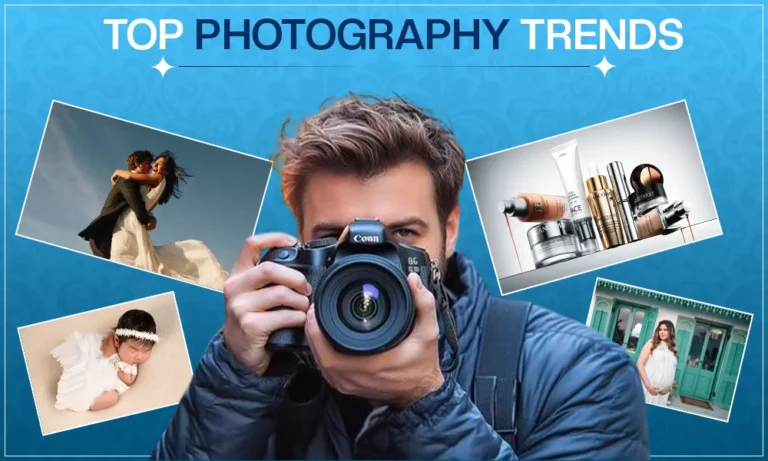
The art of photography has evolved into much more than simply taking aesthetically pleasing photographs. The industry has shifted towards telling a story, developing trust with consumers and continually evolving as technology rapidly changes.
Trends are moving towards authenticity in images being produced, the incorporation of AI into workflows and providing an immersive photographic experience to consumers come 2026.
Both brands and photographers who embrace this shift will have a competitive edge over their competitors by being able to convert new customers better than their competition as well as remain relevant in a visual-first society.
How Photography Is Changing in 2026 – The Big Picture
Photography’s evolution continued to leave behind polished, photo shopped images, and became focused on producing relatable and human-focused images. In 2026, there will be a major shift in the photographic industry to create authentic photographs rather than perfect photographs, and to utilize AI as a support of workflows as opposed to replacing human creativity.
Here are the key shifts for photography in 2026:
- Authenticity > Perfection
- Workflow will be AI Facilitated but all Human Driven
- Mobile will be the basis of creating images (vertical)
- Cinematic Style Influences in Photography
- Revival of Retro/Film Style Visuals
There will be new images that contain a blend of technology, emotion, and platform based content.
Trend 1: Authentic, Unfiltered Photography Over Perfection
The most significant aspect of 2026 will be the move away from super polished images. The target demographic for machine or AI-generated content will be Gen Z since they desire authentic, daily-life-style images that demonstrate a person’s reality.
Why is this change happening?
- Increased skepticism surrounding the edited image or AI-generated images
- Increased need for social proof and connection to consumers
- Increase in demand for brand authenticity
What this means for retailers that sell through e-commerce channels:
- Lifestyle photography produce stronger conversions than plain product images
- Real people outperform “ghost mannequin” images
- Brands that offer imperfect products build trust and encourage more purchasing behavior
- In addition, brands that look authentic are more likely to be memorable and trusted.
Trend 2: AI-Assisted Photography and Editing Workflows
The use of artificial intelligence in photography is now mainstream and is helping to improve workflow efficiencies and scale up production. Various tools provide automated solutions to repetitive tasks including Firefly by Adobe, Luminar’s Neo, Topaz Labs, etc.
AI-Powered Background Removal and Replacement
There are many advantages to having your backgrounds removed with AI technology, including:
- Faster editing times.
- Consistent presentation of product catalogs.
- Elimination of manual work on large quantities of goods.
The removal of backgrounds has become an integral part of the workflow for fast-paced, high-volume ecommerce companies that need to deliver products quickly and maintain quality.
AI Virtual Models: Try-On Technology for Fashion Ecommerce
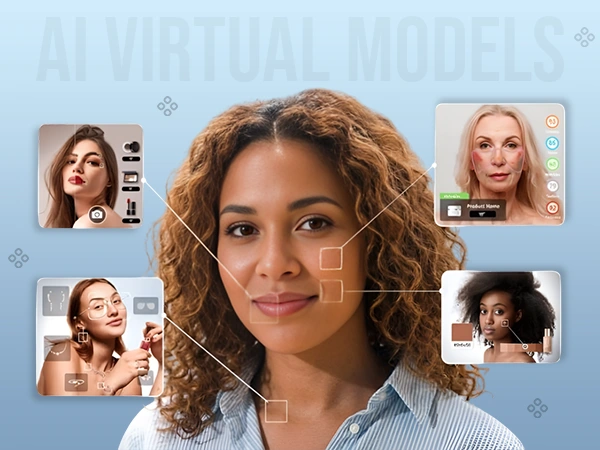
Virtual AI modeling is changing fashion photography through eliminating some of the need for re-photographing each time a shoot is completed. By allowing brands to visually display products on photographic (realistic) models, they can now showcase their products digitally.
Benefits include:
- Substantial cost savings
- Faster catalog creation
- Easily scalable with multiple versions
Brands can produce high-quality images that are free of the challenges associated with traditional photography.
Also Read: AI Virtual Models and Photo Editing
Trend 3: Cinematic, Film-Inspired Aesthetics
As of 2026, cinematic imagery will become very popular due largely to the influence of streaming services and the film industry as a whole. Consumers today are more interested in the story behind the picture (the mood and feeling evoked), than the actual product itself.
How to Achieve a Cinematic Look in Product Photography
When producing cinema style product images focus on:
- Lighting Directional or low light can create depth
- Angle: There are lots of different creative ways to use angles varying from dramatic, to story telling, or both
- Lenses using a wide or anamorphic lens can enhance your visual perspective.
- Post production (adjusting your photos) will add grain or texture, contrast, and refine your image
Utilizing all four of these key components will take your regular product photo to another level with excitement.
Color Grading for Cinematic Style – Teal and Orange vs Muted Tones
The importance of color grading can not be understated in photos for the cinema. The use of a teal and orange color grade will give an extreme contrast between the two colors, creating a dramatic effect to each photo and making them very striking visually.
Alternatively, the use of muted tones will provide a more elegant, softer ‘natural’ look that is better suited to brands that represent high-end/luxury products or brands catering to a lifestyle.
Short and Sweet Comparison:
- Teal & Orange Color Grading: High Contrast, Strong Drama, Commercially Appealing
- Muted Tones: Subtle, Elegant, Storytelling Focussed
When choosing a color grading style, your decision must be based on your brand’s (company-in-general) identity.
Trend 4: Retro and Film Photography Revival
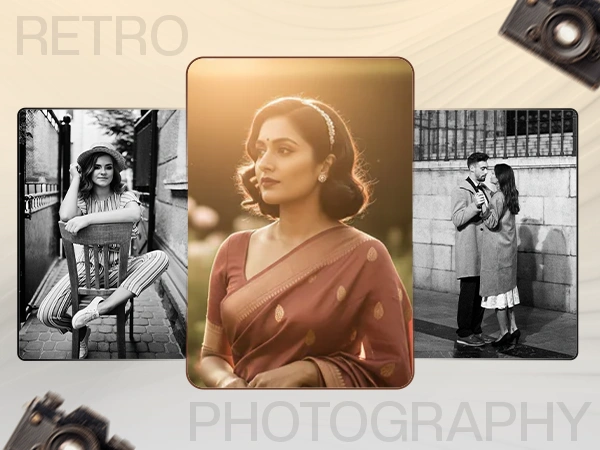
Retro style is now back in 2026 with a bang. Retro style trends include, using film grain? adding disposable camera effects & VHS overlay, warm tones across all digital platforms.
Reasons for nostalgic appeal:
- Nostalgia for millennials & Gen Z
- Add character/backstory, etc., to a picture through imperfection
- Provides a welcome break from “ultra clean” images.
Brands can benefit:
- Great for use in lifestyle/Food and Beverage photography
- Helps to create an emotional connection
- Can be replicated via color correction/editing.
This trend is a mix of nostalgia & modern day digital editing.
Trend 5: Mobile-First Photography and Vertical Framing
Due to mobile platforms becoming the most popular, vertical photography is the new standard (ie, Vertical format). The vertical aspect ratio of 9:16 is commonly used on TikTok, Instagram Reels and YouTube Shorts.
Changes for Photographers to Make:
- Plan to Shoot Vertically.
- Do not rely on Cropping Horizontally.
- Focus on Subject Placement within Narrow Frames.
E-commerce Implications:
- Create vertical lifestyle images to share on social media.
- Planned to have additional space when shooting to allow for cropping.
- Optimize your visuals for mobile usage.
By changing to vertical photography/content, this will provide better performance on an evolving platform.
Also Read: Video Editing Tips for Beginners
Trend 6: Sustainability and Natural Aesthetic Backdrops
The styling and photography of products is now being influenced by sustainability. Products are now being styled using natural materials (linen, wood, stone) and eco-friendly setups.
Trends are moving toward:
- Using natural light to create the visuals of products.
- Using minimalist perspectives to create the visuals of products.
- These visuals promote environmental awareness and are consistent with consumer values.
This approach also provides ecommerce brands with opportunities to connect product authenticity while still maintaining a modern, clean aesthetic.
Trend 7: Interactive and Immersive Product Imagery
Customer engagement through product interaction will continue to evolve through 3D models of your product, trying on through AR, or seeing the product from multiple angles using 360-degree photography will be ways your customer can connect with your product prior to making an actual purchase.
Key formats gaining popularity:
- 360 degree product view
- Augmented Reality (AR) try on
- Cinemagraph (moving visual)
E-Commerce Benefits:
- Increased customer engagement
- Higher confidence in purchasing
- Increased purchase conversions
Interactivity can reduce the feeling of uncertainty, which creates an immersive shopping experience through using visual aids.
Also Read: 360° Product Photography Basics for Ecommerce Success
Trend 8 Documentary and Storytelling-Style Brand Photography

To gain credibility and establish authenticity, brands are moving toward documentary-style (realistic) photography. This may involve taking pictures of their teams, some of the process used to create their product and/or the culture of their team.
The reason for this is that:
- Authenticity and relatability
- Emotional connection
- Brand Identity
Use in:
- Website/about pages
- Email marketing
- LinkedIn/Brand Storytelling
This form of photography creates human touches to brands which makes them more memorable.
What These Photography Trends Mean for Your Post-Production Workflow
In 2026, photography trends are shifting away from being supportive and auxiliary functions in post-production to becoming strategic requirements. Many different types of creative styles will have to be used: i.e. cinematic grading, retro style, and authentic images to name a few.
Editing will have to accommodate a large number of different creative styles while still maintaining a consistent brand identity. It’s not just a matter of fixing images [anymore]; it’s about aligning images to fit with the trends on specific platforms and audience expectations.
The following are the major implications for your workflow:
- Consistency is key: All product photos and lifestyle images must have a uniform and consistent color correction..
- Delivery must be quick: The use of AI tools will enable a quicker delivery of images with no loss of quality.
- Background removal is critical: It is very important to remove the background from the image to create a clean, professional product photo.
- eCommerce photo editing must have platform-specific edits: All images must be edited according to the specific requirements of the platform they are being posted on.
- Virtual AI models: Virtual AI Models are a great solution for many fashion & apparel brands looking to create imagery without having to conduct numerous photo shoots.
A streamlined trend-savvy post-production workflow can help a brand remain competitive, visually cohesive and prepared for multi-platform content demands.
Frequently Asked Questions
Q1. What are the biggest photography trends in 2026?
Ans: The biggest trends include authentic imagery, AI-assisted workflows, cinematic visuals, retro aesthetics, vertical formats, and interactive content like AR and 3D. These trends focus on realism, storytelling, and platform optimization.
Q2. What style of photography is popular in 2026?
Ans: Cinematic, documentary-style, and natural photography are the most popular. Unfiltered visuals, retro film looks, and minimalist setups are widely used across both creative and commercial photography.
Q3. How is AI changing photography in 2026?
Ans: AI is automating editing tasks like background removal and enhancement, improving speed and scalability. It allows photographers to focus more on creativity while handling bulk production efficiently.
Q4. What type of product photography sells best in 2026?
Ans: Lifestyle-based product photography with real people and natural environments performs best. Interactive formats like AR and 360° views also boost conversions by improving customer engagement and trust.