Photography editing has become a vital factor in how photographers create visual content, rather than being an afterthought. Editing allows you to improve the feel of your Image, showcase it as a professional product, and refine your images. However, your image may also look significantly worse when you’ve edited it poorly.
It is difficult for new photographers to know how far to shoot and edit their images. There are some things you should do and things you should not do when it comes to photo editing, which ultimately affects the overall appearance of your image.
This article will provide the basic guidelines for how to perform a good job editing photographs, whether you’re looking for the best possible result from your photographs or whether you just want to look less amateurish.
Master the Basics Before Advanced Editing
Proper application of basic principles of photo editing is more important than experimenting with preset/photo effects. Without a strong foundation in basic principles, all advanced techniques will lose effectiveness.
Start with basic adjustments:
- Set exposure properly, set the amount of contrast correctly, and set proper highlight and shadow levels.
- Correct your white balance to avoid unattractive colors resulting from improper white balance settings.
- Set sharpness to enhance details without introducing additional artifacts.
- Basic corrections provide improved image quality while maintaining natural appearance.
Be familiar with your photo editing program:
- Understand how curve functions, level functions, colour sliders work and other essential tools.
- Do not use a preset/profile without adjusting its settings; they may not suit your photo.
- Utilise the non-destructive method of photo editing whenever possible.
When you understand how each tool works, you can edit with purpose; rather than guessing on the edit. This saves time and provides better quality and uniformity to your edits.
Also read- Ai vs manual editing
Maintain Natural Colors and Realistic Tones
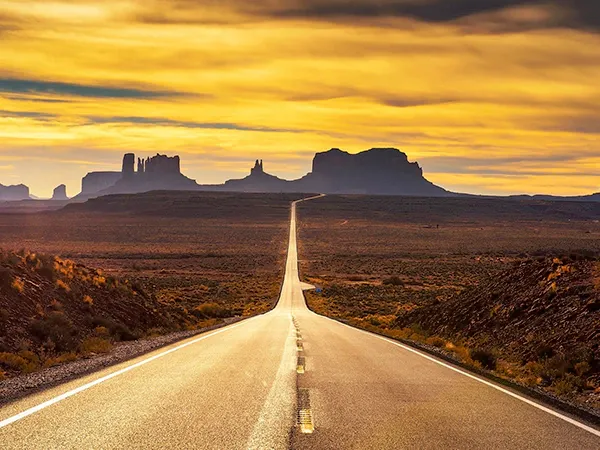
Common mistakes many photographers make when editing photos include:
- Maintain balance and believability in coloring.
- Avoid excessive vibrance or saturation with colors.
- Pay close attention to skin tones, especially within portrait photos.
You can use reference images to gauge accuracy and also reference your memories of what colors/styles look like in real life. Photos that include natural coloring give off the impression of being timeless, as opposed to fashionable.
While a photo may be pretty when edited with excessive coloring, it is less likely to be useful for use in business or in a professional capacity.
- You should consider the consistency of the lighting across a single image.
- You should avoid blowing out your highlights.
- Preserve the details of your shadows for dimension/depth.
Match the mood of your lighting with that of the intent of the scene. Consistent tones and light will provide an image with a polished and cohesive appearance, which will be especially important for portfolio development and brand projects.
Use Editing Tools With Purpose, Not Excess
With powerful editing tools come the risk of damaging an image’s quality when used incorrectly. Therefore, all modifications should be completed with clarity of intent.
- Edit-out distractions such as dirt, moisture spots, small imperfections etc.
- Enhance composition by creating straight lines through cropping or straightening.
- Create a user’s focus in an image using ‘dodging and burning’ (usually it should be used very subtly).
- Editing with clear intent; as it allows the subject to remain as he/she is, but gives clarity to the subject visually.
- Use of Effects should be minimal.
Filters and Presets should only be initial points of your editing journey, and not the complete end product.
- Eliminate the use of heavy vignettes, as they can overpower your image.
- Use texture and clarity adjustments with caution, and in moderation.
When an effect has consumed the image, the focus of the subject has vanished; a subtle enhancement typically provides the viewer with more of an emotional response.
Avoid Common Over-Editing Mistakes

Editing images can easily cause a photograph to appear unprofessional if excessive attention has been given to the editing process.
The most common pitfalls occur when photographers edit their photos without being aware of some common technical issues. Be aware of the common technical issues when editing your images.
Some examples of common technical issues are:
- Excessive sharpening creates artifacts (or halos) around the edges of sharp objects.
- Excessive smoothing of skin, i.e., removing texture from the skin, creates an artificial look to the skin.
- Excessive noise reduction results in unrealistic (plastic-looking) images.
These types of editing mistakes eliminate the realistic qualities of the images and cause the viewer to become distracted rather than engaged by the image.
Another great practice to use when editing images is to distance yourself from the editing process.
Final Thoughts on Smart Photo Editing
When it comes to photo editing, balancing enhancement with accuracy is key. The purpose of editing photos is to add character and vibrancy to your images; not change them into completely different representations of reality.
Photographers who maximise their use of the fundamentals and remain true to the original color palette will produce high-quality images that are both trustworthy and attractively designed. Thoughtful editing not only bolsters the quality of individual images, but also bolsters a photographer’s overall marketing strategy and builds trustworthiness within their brand identity.
Frequently Asked Questions (FAQs)
Q1. Is photo editing necessary for all photographers?
Ans: Yes, editing enhances image quality and ensures professional presentation that raw camera files often lack.
Q2. How much editing is considered too much?
Ans: When details look unnatural, skin looks plastic, or the viewer notices the edit before the subject, you’ve probably gone too far with the editing.
Q3. Should beginners use presets?
Ans: Presets are helpful, but they should always be customized to match the photo’s lighting and tones.
Q4. Can professional editing services help photographers?
Ans: Absolutely, outsourcing photo editing can be a total game-changer – it saves time and ensures consistent, high-quality results for bulk projects.