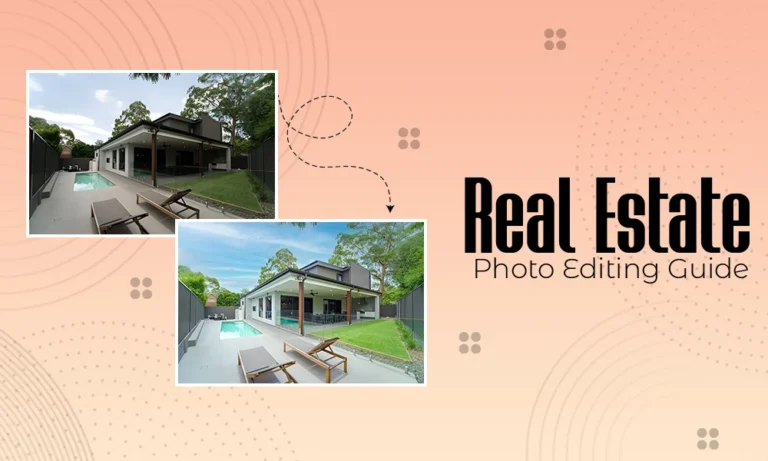
The quality of a real estate photograph is extremely important to a potential home’s buyer or renter due to the importance of visual media in today’s real estate marketplace. Oftentimes, potential buyers are finding properties on the Internet before they touch or see them in person.
This is why the quality of your real estate photographs can determine if a potential buyer chooses to browse your listing further or if they will keep on scrolling through their options. A professionally taken photograph can make a property appear more attractive and like it is ready for sale, ultimately helping real estate agents sell a home much quicker and for a better price.
This guide will show how professional real estate photo editing services enhance the quality of your real estate photographs, and optimize your photographs for online listing.
Pre-Editing Preparation: Setting Your Photos Up for Success
The quality of the original photograph impacts its editability. The better the preparation for your photographs, the easier and more effective it is to edit.
Key Points:
- Declutter the space: Remove all personal items, cables, and unnecessary furniture so that there are no distractions.
- Stage the property: Use decoration techniques, such as adding cushions, plants, and rugs. These elements should add some warmth to the space and create an inviting appearance.
- Lighting: Use as much natural light as possible during your photoshoot, if possible; however, if you have no access to natural light, make sure there are no dark shadows.
- Use RAW format: Using RAW images saves and stores more data than standard JPEG files, which gives greater flexibility in post-processing.
Using Tripods will allow you to capture clear, stable images with consistent framing throughout the rooms being photographed.
Proper preparation for photo shoots can greatly reduce the amount of time needed to complete your photo editing process and can create reasonable, realistic enhancements to the photographs you take.
Mastering Basic Adjustments: Exposure, White Balance & Contrast
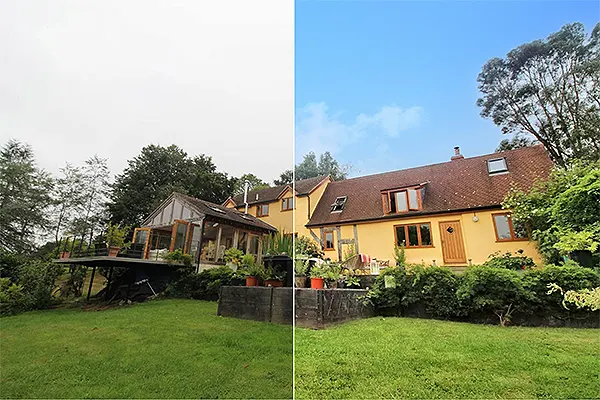
The basics of photo editing provide the foundation for improving real estate photos. With these adjustments, you can make your photo clearer and more realistic without detracting from its overall visual appeal.
The four basic types of adjustments are:
Exposure adjustments – Making underexposed areas brighter and reducing overexposed areas to provide even lighting.
White Balance adjustments – Adjusting the color temperature to eliminate yellow or blue tints, and to create a natural-looking wall color and interior color scheme.
Contrast/Clarity – Increasing the contrast to help show the dimensionality of 3-D objects (e.g., walls and ceilings), and to show textures, but you must be careful not to overdo this.
Sharpening – Enhancing the sharpness of textures, furnishings and architectural elements.
Making these adjustments will create images that look clean, crisp and professional.
Advanced Editing Techniques: HDR, Color Boost & Sky Replacement
A photo with a good degree of enhancement can also be used to emphasize how great a property looks.
Some popular advanced editing techniques used in real estate photography include:
Higher Dynamic Range Blending (HDR): Using numerous exposure to obtain a nicely lit image by merging numerous exposure to capture all details of the property’s interior.
Color Enhancement: Increasing the vibrancy of your photos by slightly changing the color values of the interior or exterior photographs, but keeping the colors as natural as possible.
Sky Replacement: Adding clear blue skies in most real estate images when the original sky colour is either too grey or overcast.
Perspective Correcting: Fixing any distortion to either vertical or horizontal lines that may occur as a result of using wide angle lenses.
Lens Correcting: Eliminating vignetting & distortion effects in your photos to ensure professional quality and clean look.
By implementing these advanced editing techniques on your photographs, properties will appear very high-end & elegant, particularly for higher-end listings.
Object Removal & Virtual Decluttering for Cleaner Visuals
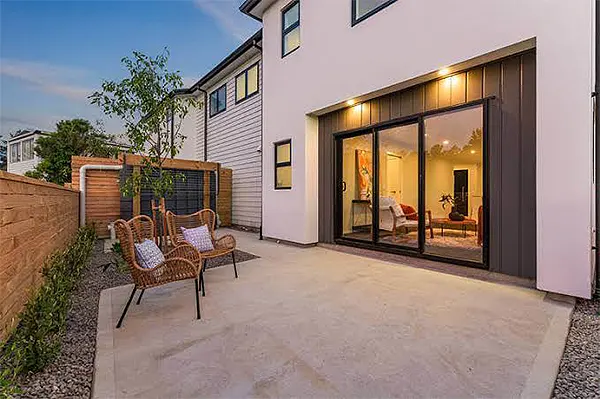
The enhancement of removing distractions and creating virtual decluttering in real estate photography can help potential buyers better visualize a property. This will not only allow them to focus on the actual property but eliminate any distractions caused by the items that are not relevant to the property.
Here are some of the most common elements that can be removed:
- Electrical wires, stains, and imperfections on the walls
- Garbage bins, cars, and other unwanted outdoor objects
- Personal items (photographs, toiletries)
- Reflections of the photographer or their gear
- Unwanted furniture or decorations.
Optimizing for Online Platforms: Resize, File Format & SEO
After images have been edited, these images then must be optimised according to both the specific site platforms and how many spaces/sites those same photos will appear (o. e. MLS, web real estate listings, social media) to create optimal viewing speed and maximum viewing reach.
- Ideally, photos will be resized to the recommended dimensions for use with either the MLS or other property webpages in order to ensure speed.
- When choosing an image format, JPEG is recommended for MLS and web property listings, PNG for higher-quality images, and WebP for a more modern-optimised web environment.
- Compression of images’ file sizes allows for large images to be loaded quickly without sacrificing an original quality.
- Filenames should be descriptive and optimized for SEO by using appropriate words that describe the image, such as “Modern Living Room DELHI.jpg”.
- Images should also be given alt tags to help those with visual impairments, as well as improve SEO results.
Final Touches: When to Outsource or Use AI Editing Services
Real estate photo enhancements are important for drawing in buyers, increasing interaction with listings, and improving how people view a property.
There are many different ways to enhance real estate photo images; everything from simple exposure and colour correction through to advanced editing techniques such as HDR blending or removing objects is considered an enhancement technique.
Each of these editing techniques results in a highly presentable and visually pleasing image, best suited for the real estate market. Investing in a professional real estate photo enhancement service provides agents, photographers, and real estate marketing companies the ability to positively influence the sales performance of their property listings.
By utilising Visuals Clipping’s professional real estate photo editing services, agents can sell their listings more quickly with increased inquiry volume.
FAQs
Q1. Why is HDR blending so important for real estate listings?
Ans: Properties often have a mix of dark corners and bright windows. HDR (High Dynamic Range) blending merges multiple exposures to ensure the viewer can see the interior details and the view outside the window simultaneously. Without it, your photos will either have “blown out” white windows or pitch-black interior shadows.
Q2. Can I remove a neighbor’s car or unsightly power lines from my listing photos?
Ans: Yes. Through object removal and virtual decluttering, professional editors can remove distracting elements like parked cars, electrical wires, or even stains on a driveway. This helps the buyer focus on the property’s potential rather than temporary eyesores.
Q3. Does sky replacement look “fake” to potential buyers?
Ans: Not when done correctly. Professional sky replacement uses advanced masking to ensure the new blue sky matches the lighting and reflections of the house. A bright, clear sky makes a property look more inviting and significantly increases click-through rates on platforms like the MLS.
Q4. What is the best file format for uploading photos to real estate websites?
Ans: While PNG offers high quality, JPEG is the industry standard for real estate listings because it balances quality with a small file size, ensuring your listing page loads quickly. For your own website, using WebP can provide even faster load times, which is great for SEO.
Q5. How does photo editing help with my listing’s SEO?
Ans: Beyond just looking good, optimized images rank higher in search results. By using descriptive filenames (e.g., “modern-kitchen-delhi.jpg”) and alt tags, you help search engines understand what is in the photo, making it more likely that your listing appears when buyers search for homes in your area.